
Starting a Business in Vietnam: Guide for Local and Foreign Entrepreneurs (2026)
Vietnam has rapidly transformed into one of the most dynamic business destinations in Asia. With strong economic growth, increasing foreign investment, and a young, tech-savvy population, starting a business in Vietnam has become an attractive opportunity for entrepreneurs around the world.
In recent years, Vietnam has improved its regulatory framework, streamlined company incorporation procedures, and expanded international trade partnerships. These developments have made setting up a business in Vietnam more accessible for both domestic founders and international investors.
For foreign entrepreneurs in particular, understanding the legal environment, market dynamics, and financial requirements is crucial. This guide provides a strategic overview of starting a business in Vietnam as a foreigner, explores the cost of starting a business in Vietnam, and outlines practical considerations for launching and operating a successful company in the country.
Key Considerations Before Starting a Business in Vietnam
Before proceeding with starting a business in Vietnam, entrepreneurs should carefully evaluate several important factors.
Market Research
Understanding the local market is essential. Entrepreneurs should evaluate:
- Consumer demand
- Industry competition
- Regulatory restrictions
- Local partner opportunities
Conducting thorough market research helps entrepreneurs reduce risks and identify competitive advantages when setting up a business in Vietnam.
Understanding Legal Structures
Vietnam offers several legal structures for businesses, and choosing the right one is critical.
The most common options include:
1. Limited Liability Company (LLC): This is the most widely used structure for entrepreneurs. It offers flexibility, limited liability protection, and relatively simple compliance requirements.
2. Joint Stock Company (JSC): This structure is suitable for larger companies that may seek external investment or plan to issue shares.
3. Representative Office: Foreign companies often establish representative offices to conduct market research, promote the parent company, and develop business relationships. However, representative offices are not permitted to conduct revenue-generating commercial activities in Vietnam.
Selecting the appropriate structure is a key step in setting up a business in Vietnam.

Vietnam offers diverse business opportunities across multiple high-growth industries
Industries With Strong Business Potential in Vietnam
While many industries are open to entrepreneurs, several sectors offer particularly strong growth opportunities.
1. Technology and Digital Services
Vietnam’s digital economy is expanding quickly, driven by increasing internet penetration and mobile usage.
Promising opportunities include:
- Software development
- Fintech platforms
- E-commerce businesses
- Artificial intelligence services
This makes starting a business in Vietnam particularly attractive for technology entrepreneurs.
2. Manufacturing and Export
Vietnam has become a major manufacturing center for global supply chains.
Industries with strong export potential include:
- Electronics manufacturing
- Textile and garment production
- Furniture and consumer goods
International investors frequently consider starting a business in Vietnam as a foreigner to take advantage of the country’s manufacturing ecosystem.
3. Tourism and Hospitality
Vietnam attracts millions of international visitors each year and continues to expand its tourism infrastructure.
Entrepreneurs interested in tourism may explore opportunities such as:
- Boutique hotels
- Travel services
- Food and beverage businesses
- Cultural tourism experiences
4. Renewable Energy and Sustainability
Vietnam is actively expanding renewable energy infrastructure, particularly solar and wind power.
Investors interested in sustainable development may find promising opportunities when setting up a business in Vietnam in the green technology sectors.
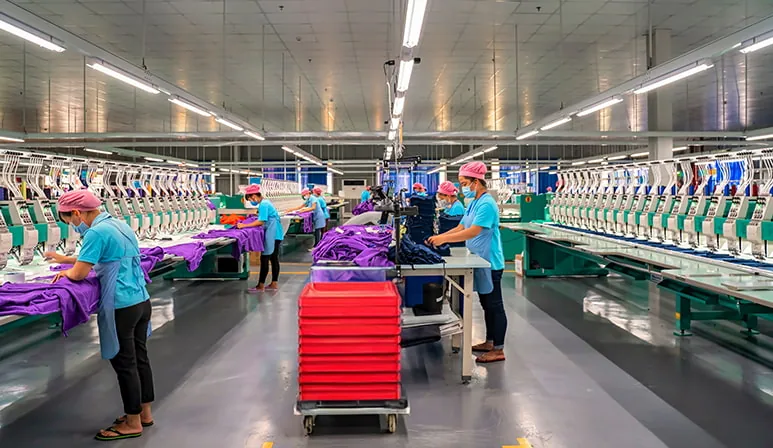
High-growth sectors in Vietnam attract both local and international entrepreneurs
How to Start a Business in Vietnam as a Foreigner
Foreign investors can legally establish companies in Vietnam, but the process requires compliance with several regulatory steps.
Understanding these procedures is essential for anyone starting a business in Vietnam as a foreigner.
Step 1: Evaluate Market Access Regulations
Some industries in Vietnam are fully open to foreign investors, while others have restrictions or require joint ventures with local partners.
Entrepreneurs should review the latest investment regulations before setting up a business in Vietnam.
Step 2: Prepare an Investment Project Proposal
Foreign investors usually need to submit a detailed investment proposal outlining:
- Business objectives
- Capital investment
- Operational scope
- Project location
This proposal is evaluated by local authorities before approval.
Step 3: Obtain Investment Approval
Foreign investors must typically obtain an Investment Registration Certificate (IRC).
This certificate confirms the government’s approval for the investment project.
Step 4: Complete Company Incorporation
After receiving investment approval, the company must apply for an Enterprise Registration Certificate (ERC).
Once approved, the business becomes legally established and can begin operations.
Step 5: Open a Capital Account
Foreign-invested companies must open a Direct Investment Capital Account (DICA) with a licensed bank in Vietnam to receive foreign investment capital.
Step 6: Post-Licensing Compliance
After incorporation, companies must complete several administrative procedures, including tax registration, company seal registration, and accounting setup.
Cost of Starting a Business in Vietnam: Budget Planning for Entrepreneurs
One of the most important considerations for entrepreneurs is the cost of starting a business in Vietnam.
Compared with many international markets, Vietnam offers relatively affordable startup costs.
Registration and Administrative Costs
The cost of starting a business in Vietnam includes government registration fees and administrative expenses.
These typically cover:
- Company registration filing fees
- Publication fees
- Licensing fees for regulated industries
Office and Infrastructure Costs
The cost of office space varies depending on the city and business location.
Major business hubs such as:
- Ho Chi Minh City
- Hanoi
- Da Nang
tend to have higher office rental costs than smaller provinces.
Human Resources Expenses
Labor costs in Vietnam remain competitive compared with many other Asian markets.
However, wages can vary depending on the industry and skill level of employees.
Professional Advisory Services
Many entrepreneurs hire legal advisors, accountants, and corporate service providers when setting up a business in Vietnam.
These professionals help ensure compliance with:
- Corporate regulations
- Tax requirements
- Employment laws
Although these services add to the cost of starting a business in Vietnam, they can prevent costly compliance issues in the future.

Cost of starting a business in Vietnam including registration office and operational expenses
Popular Locations for New Businesses
Certain cities and provinces are particularly attractive for entrepreneurs starting a business in Vietnam.
Ho Chi Minh City
Vietnam’s largest commercial hub offers strong infrastructure, international connectivity, and a vibrant startup ecosystem.
Hanoi
The capital city is a major political and economic center with strong government support for innovation.
Da Nang
Da Nang has developed into an emerging technology and tourism hub, attracting both domestic and foreign investors.
Industrial Provinces
Regions such as Binh Duong, Dong Nai, and Bac Ninh are popular for manufacturing and logistics companies.
Choosing the right location is a strategic decision when setting up a business in Vietnam.
Common Challenges When Setting Up a Business in Vietnam
While Vietnam offers significant opportunities, entrepreneurs should also be aware of potential challenges when starting a business in Vietnam.
Regulatory Complexity
Certain industries require multiple licenses or government approvals before operations can begin.
Cultural and Language Barriers
Foreign investors may encounter communication challenges when negotiating contracts or managing local employees.
Infrastructure Differences
Although infrastructure is improving rapidly, logistics networks may vary between regions.
Understanding these challenges is essential for entrepreneurs starting a business in Vietnam as a foreigner.

Entrepreneurs should prepare for regulatory and operational challenges in Vietnam
The Role of Offshore Structures in International Business
Some international entrepreneurs consider integrating a Vietnam operating company with international holding structures when managing cross-border operations.
Although Vietnam itself is not typically classified as an offshore jurisdiction, companies may integrate Vietnamese entities into global corporate structures for international trade or investment purposes.
Careful legal and tax planning is required when structuring these arrangements.
Conclusion
With its dynamic economy, growing consumer market, and strategic position in global supply chains, starting a business in Vietnam offers compelling opportunities for both local entrepreneurs and international investors.
By understanding the procedures involved in starting a business in Vietnam as a foreigner, carefully evaluating the cost of starting a business in Vietnam, and planning the process of setting up a business in Vietnam, entrepreneurs can successfully establish and expand their businesses in one of Asia’s fastest-growing markets.
Professional corporate service providers such as Offshore Company Corp support international entrepreneurs with company formation, regulatory compliance, and cross-border corporate structuring solutions across multiple jurisdictions.
Disclaimer: This article is for informational purposes only. For accurate advice, please contact our experts.




Subscirbe To Our Updates
About Us
We are always proud of being an experienced Financial and Corporate Services provider in the international market. We provide the best and most competitive value to you as valued customers to transform your goals into a solution with a clear action plan. Our Solution, Your Success.
Learn more