
How to Start a Logistics Company in Malta: Requirements, Costs, and Opportunities
Malta's strategic position in the Mediterranean makes it an attractive location for businesses involved in transportation, freight forwarding, warehousing, shipping, and other supply chain activities. Entrepreneurs looking to start a logistics company in Malta can benefit from the country's access to European markets, established maritime infrastructure, and connections with international trade routes.
However, establishing a logistics business involves more than registering a company. Depending on the services offered, entrepreneurs may need to consider transport permits, customs requirements, warehousing arrangements, employment obligations, insurance, VAT, and other regulatory matters.
This guide explains how to start a logistics company in Malta, provides an overview of the logistics industry in Malta, and examines the potential cost of starting a logistics company in Malta.
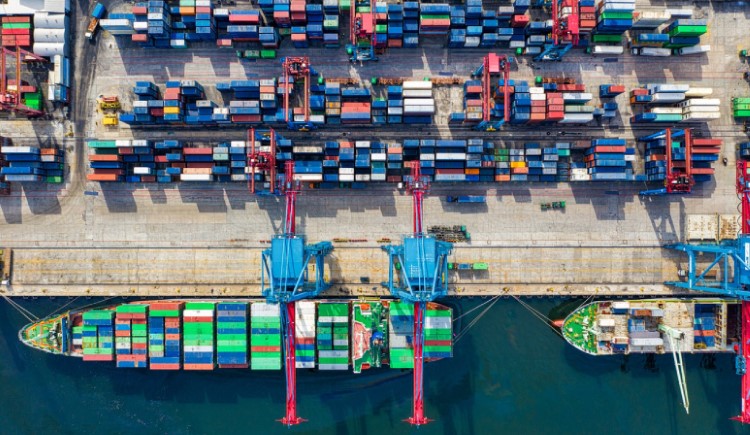
How to Start a Logistics Company in Malta
Why Start a Logistics Company in Malta?
Malta is a European Union member state located between Southern Europe and North Africa. Its geographic position has contributed to the development of maritime, freight, transportation, and related business services.
For logistics entrepreneurs, Malta can provide access to several important commercial markets.
Strategic Mediterranean Location
Malta sits in the central Mediterranean, making it geographically relevant to shipping routes connecting Europe, North Africa, and other international markets.
This can be useful for businesses involved in:
- Freight forwarding
- Maritime logistics
- Cargo handling
- Warehousing
- Distribution
- Import and export support
- Shipping-related services
- Supply chain management
A logistics company can potentially use Malta as a base for serving customers across different jurisdictions rather than focusing exclusively on the domestic market.
Access to the European Union
Malta is an EU member state, providing businesses established there with access to the broader European commercial environment.
For logistics companies serving European customers, having a Malta-based corporate structure can provide a convenient location for managing cross-border commercial activities within the EU framework.
However, EU access does not automatically mean that every logistics activity is unrestricted. Transport operations, customs procedures, employment, VAT, and regulated activities can involve specific requirements.
Established Maritime Sector
Malta has a significant maritime sector, supported by its ports, shipping services, marine professionals, and related infrastructure.
This creates opportunities for logistics businesses that work alongside shipping companies, importers, exporters, freight forwarders, and other maritime operators.
Overview of the Logistics Industry in Malta
The logistics industry in Malta encompasses a broad range of activities rather than one single business category.
Depending on the business model, a logistics company may provide transportation, storage, freight coordination, customs support, distribution, or technology-enabled supply chain services.
Common segments include:
Freight Forwarding
Freight forwarders coordinate the movement of goods between suppliers, carriers, warehouses, ports, and customers.
A forwarding company may arrange:
- Sea freight
- Air freight
- Road transportation
- Multimodal transportation
- Cargo documentation
- Shipment coordination
The company may not necessarily own its own vehicles or vessels. Instead, it can work with third-party carriers and logistics providers.
Warehousing and Distribution
Warehousing businesses provide storage and distribution services for companies that do not want to maintain their own facilities.
Services can include:
- Short-term storage
- Long-term storage
- Inventory management
- Order fulfillment
- Packaging
- Picking and packing
- Distribution coordination
Location is particularly important because warehouse rental costs, accessibility, proximity to ports, and available space can significantly affect profitability.
Road Transport
A company operating commercial road transport services may be subject to specific licensing and operator requirements.
The requirements can differ depending on factors such as:
- Vehicle type
- Vehicle weight
- Domestic or international transportation
- Goods being transported
- Number of vehicles
- Commercial operating model
Entrepreneurs should therefore identify the exact transport activity before purchasing vehicles or beginning operations.
Shipping and Maritime Logistics
Malta's maritime environment creates opportunities for companies supporting shipping and cargo operations.
Potential services include:
- Ship agency services
- Cargo coordination
- Port logistics
- Marine supply coordination
- Shipping documentation
- Vessel-related logistics support
Certain maritime activities may be subject to sector-specific regulation.
E-Commerce Fulfillment
The growth of cross-border e-commerce has increased demand for warehousing, fulfillment, inventory management, and last-mile delivery solutions.
A Malta-based logistics company could potentially serve online retailers that need European storage and distribution capabilities.

Transportation and Logistics Industry in Malta
How to Start a Logistics Company in Malta
The steps involved depend heavily on the type and scale of logistics services being offered. A general setup process can include the following.
1. Choose Your Logistics Business Model
Before incorporating the company, define exactly what services you intend to provide.
For example, you could establish:
- A freight forwarding company
- A warehousing business
- A distribution company
- A road transportation business
- An e-commerce fulfillment provider
- A shipping support company
- A logistics technology business
The business model determines which licenses, premises, vehicles, employees, insurance policies, and operational systems may be required.
2. Prepare a Business Plan
A logistics business generally requires more operational planning than a simple service company.
Your business plan should cover:
- Target customers
- Main transportation routes
- Services
- Suppliers and carrier relationships
- Warehouse requirements
- Vehicle requirements
- Staffing
- Insurance
- Technology
- Pricing
- Expected revenue
- Operating costs
- Working capital
It is particularly important to estimate cash flow because logistics businesses may need to pay carriers, employees, fuel suppliers, warehouse operators, and other vendors before customers settle invoices.
3. Choose a Malta Company Structure
Many commercial businesses in Malta operate through a private limited liability company.
A Malta company structure can provide a separate legal entity through which the logistics business can conduct contracts, employ staff, hold assets, and operate bank accounts.
The company formation process generally involves establishing the company's name, registered office, shareholders, directors, share capital, and constitutional documents.
The appropriate structure should be selected based on ownership, financing, tax, liability, and operational requirements.
4. Register the Company
Once the structure has been determined, the business can proceed with the relevant company registration procedures.
Typical incorporation information includes:
- Proposed company name
- Registered office
- Shareholders
- Directors
- Company secretary
- Memorandum and articles
- Share capital information
If foreign investors are involved, additional identification and due diligence documentation may be required.
5. Obtain Relevant Licences and Permits
This is one of the most important steps when you start a logistics company in Malta.
Company incorporation itself does not necessarily authorize a business to perform every logistics activity.
Depending on the services offered, you may need to consider:
- Road transport operator requirements
- Vehicle licensing
- Freight forwarding requirements
- Customs-related registrations or authorizations
- Warehousing requirements
- Port-related permissions
- Employment registrations
- Environmental or premises-related requirements
The exact requirements depend on the activities and goods handled.
For example, a company transporting goods commercially by road may face different regulatory requirements from a company providing only freight coordination services.

What Does a Logistics Company Do?
6. Arrange Premises and Equipment
Your operational model determines the physical infrastructure required.
A freight forwarding company may be able to operate with a relatively small office and outsourced transportation network.
A warehousing or distribution company, by contrast, may require:
- Warehouse space
- Loading areas
- Shelving
- Forklifts
- Inventory systems
- Security systems
- Packaging equipment
- Delivery vehicles
The choice between owning and leasing equipment can have a significant effect on startup capital.
7. Set Up Banking and Accounting
A logistics company should establish suitable business banking and accounting arrangements before beginning significant commercial operations.
The business may need to handle:
- Customer payments
- Supplier payments
- Freight charges
- Fuel expenses
- Payroll
- Customs-related costs
- VAT
- Insurance premiums
- Equipment financing
A reliable accounting system is especially important because logistics businesses can have a large number of transactions across different suppliers and customers.
8. Arrange Insurance
Insurance should be considered before operations begin.
Depending on the business model, potential coverage may include:
- Public liability insurance
- Employer-related insurance
- Motor insurance
- Cargo insurance
- Professional liability coverage
- Warehouse-related insurance
- Goods-in-transit insurance
The appropriate coverage depends on the risks assumed under customer contracts.
9. Hire Employees and Operational Staff
A growing logistics business may require:
- Drivers
- Warehouse workers
- Dispatch coordinators
- Freight forwarding specialists
- Customer service staff
- Customs specialists
- Operations managers
- Finance and administration personnel
Employment costs can become one of the largest recurring expenses, particularly for businesses operating vehicles or warehouses.
10. Establish Technology and Supply Chain Systems
Modern logistics operations increasingly depend on technology.
Useful systems may include:
- Transportation management systems
- Warehouse management systems
- Inventory management software
- Route optimization
- Shipment tracking
- Customer portals
- Electronic documentation
- Automated invoicing
Technology can help reduce manual administration and give customers greater visibility over shipments.
=> Learn more: Malta Company Formation

What Do You Need to Start a Logistics Company in Malta?
Cost of Starting a Logistics Company in Malta
The cost of starting a logistics company in Malta varies significantly according to the business model.
A small freight coordination company can have relatively modest startup requirements, while a transport or warehousing operation may require substantial capital.
Major cost categories include:
Small Logistics Business
A small freight forwarding or logistics coordination business that outsources transportation may require considerably less capital than a company operating its own fleet.
Its main expenses may involve:
- Company formation
- Office
- Staff
- Software
- Insurance
- Marketing
- Working capital
Transport Company
A transportation business can require substantially more initial investment because vehicles represent a major capital expense.
Costs can include:
- Vehicle purchase or lease
- Vehicle registration
- Insurance
- Maintenance
- Fuel
- Driver salaries
- Parking
- Licensing and compliance
Warehousing Company
A warehouse-based logistics operation may require even greater upfront investment depending on the size and location of the facility.
Entrepreneurs should account for:
- Security deposit
- Monthly rent
- Warehouse fit-out
- Racking
- Material-handling equipment
- Insurance
- Utilities
- Staff
- Inventory software
For this reason, there is no single fixed answer to the cost of starting a logistics company in Malta. The most accurate estimate comes from defining the intended logistics model and calculating both initial capital expenditure and at least several months of working capital.

Cost of Starting a Logistics Company in Malta
Is Malta Suitable for Foreign Logistics Entrepreneurs?
Foreign entrepreneurs can establish businesses in Malta, subject to applicable company, immigration, tax, licensing, and regulatory requirements.
A foreign-owned logistics company may benefit from Malta's international business environment and EU location, but entrepreneurs should not assume that incorporation alone provides permission to live in Malta or conduct every regulated activity.
Foreign investors should separately assess:
- Company ownership
- Director requirements
- Residence and work rights
- Tax residence
- VAT
- Transport licences
- Customs obligations
- Employment requirements
- Banking
- Insurance
The distinction between owning a Malta company and personally working or residing in Malta is particularly important for non-EU entrepreneurs.
Tax and VAT Considerations
A logistics company may have several tax and indirect tax obligations depending on its activities, customers, and transactions.
Potential areas include:
- Corporate taxation
- VAT
- Payroll-related obligations
- Customs duties
- Import and export taxes
- Tax reporting
The VAT treatment of logistics services can depend on the nature of the service, the location of the customer, the movement of goods, and other factors.
Cross-border logistics transactions can therefore require professional tax analysis rather than relying on a single standard VAT treatment.

Licenses Required for a Logistics Company
Tips for Building a Successful Logistics Business in Malta
A new logistics company can improve its commercial position by focusing on a defined market rather than attempting to provide every service immediately.
Consider:
Start With a Specific Niche
Potential niches include:
- E-commerce fulfillment
- European distribution
- Maritime logistics
- Import/export support
- Temperature-controlled logistics
- Specialized cargo
- Freight forwarding
Build Reliable Carrier Relationships
A logistics company often depends on third-party carriers and suppliers. Strong relationships can improve pricing, capacity, and service reliability.
Invest in Shipment Visibility
Customers increasingly expect real-time shipment updates. Tracking and digital communication can help differentiate a logistics provider.
Maintain Strong Compliance
Keep licences, insurance, corporate filings, vehicle documentation, and employee records organized and current.
Control Working Capital
Monitor customer payment terms, supplier obligations, fuel expenses, and inventory-related costs carefully.
Disclaimer
This article is for general informational purposes only and does not constitute legal, tax, or financial advice. Readers should consult qualified professionals before establishing or operating a logistics company in Malta.




Subscirbe To Our Updates
About Us
We are always proud of being an experienced Financial and Corporate Services provider in the international market. We provide the best and most competitive value to you as valued customers to transform your goals into a solution with a clear action plan. Our Solution, Your Success.
Learn more