
Digital Payment in Malta: Methods, Services, and Business Solutions
For businesses, choosing the right digital payment in Malta solution involves more than simply accepting cards. Companies may need to consider online payment gateways, bank transfers, mobile payments, digital wallets, payment links, recurring payments, and solutions designed for international customers.
Malta's position within the European Union also means that businesses can operate within the wider European payments ecosystem while serving both local and international customers.
This guide explains the main digital payment methods in Malta, how digital payment for business in Malta works, the types of digital payment services in Malta available to businesses, and the key factors to consider when selecting a payment solution.
What Is Digital Payment in Malta?
Digital payment refers to transactions where money is transferred electronically rather than through physical cash or traditional paper-based payment instruments.
In Malta, digital payments can include:
- Debit and credit card payments
- Online bank transfers
- Mobile payments
- Digital wallets
- Contactless payments
- Payment links
- Recurring online payments
- E-commerce checkout payments
- Electronic invoices with payment functionality
- Business-to-business electronic transfers
These options can be used for both domestic and international transactions, depending on the payment provider and the business model.
For consumers, digital payments can make everyday purchases faster and more convenient. For businesses, they can provide additional ways to collect revenue, automate payment processes, and serve customers who prefer not to use cash.
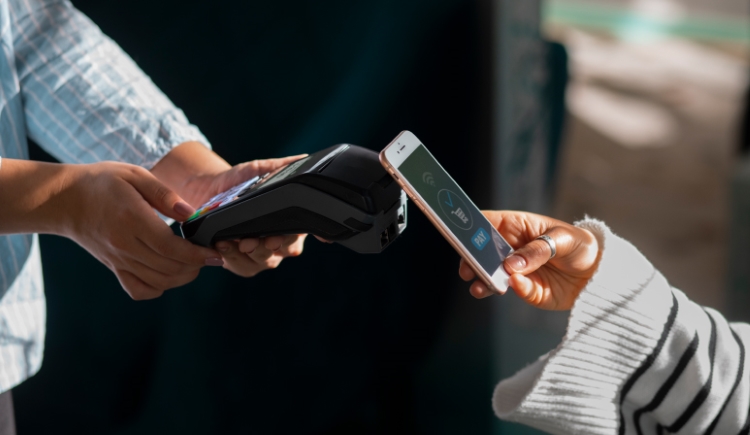
Digital payment for business in Malta
Why Are Digital Payments Important for Businesses in Malta?
Businesses increasingly need to accommodate different payment preferences.
A local retail customer may prefer contactless card payment, while an international online customer may expect to pay through a digital wallet or another online checkout method.
Offering several appropriate payment options can help businesses create a smoother purchasing experience.
Digital payment solutions can also provide operational benefits such as:
- Faster payment collection
- Reduced dependence on cash
- Easier transaction tracking
- Automated payment confirmations
- Online sales support
- Recurring billing capabilities
- Integration with accounting systems
- Support for international customers
- More convenient reconciliation
For businesses operating online, digital payment infrastructure can be particularly important because customers may never interact with a physical store or bank branch.
Digital Payment Methods in Malta
There is no single payment method that is suitable for every company. The most appropriate option depends on factors such as business type, customer location, transaction value, sales channel, and whether payments are recurring.
Debit and Credit Cards
Card payments are one of the most widely used forms of electronic payment.
Businesses can accept cards through:
- Physical payment terminals
- Online checkout pages
- Payment links
- Mobile or portable terminals
- Integrated e-commerce platforms
For online businesses, card acceptance can be particularly important because it allows customers to complete transactions without making a separate bank transfer.
Businesses should compare transaction fees, settlement times, supported currencies, fraud controls, and chargeback procedures when selecting a card payment provider.
Contactless Payments
Contactless payments allow customers to pay by tapping a card, smartphone, or compatible wearable device against a payment terminal.
They are particularly useful for:
- Retail stores
- Restaurants
- Cafés
- Hotels
- Transportation-related businesses
- Events
- Service businesses
Contactless payments can reduce transaction time and provide a convenient checkout experience.
Bank Transfers
Electronic bank transfers are another important part of the digital payment methods in Malta landscape.
Businesses may use bank transfers for:
- Invoices
- Supplier payments
- Business-to-business transactions
- Larger-value purchases
- International payments
Bank transfers can be particularly useful where transaction values are higher or customers prefer to pay directly from their bank accounts.
Mobile Payments
Mobile payments allow customers to use smartphones or other compatible devices to make transactions.
Depending on the provider and device, customers may use digital wallets or mobile payment applications linked to a payment card or bank account.
For businesses, supporting mobile payments can be an extension of an existing contactless payment infrastructure rather than requiring customers to use a separate physical card.

Most popular Digital payment methods in Malta
Digital Wallets
Digital wallets store payment credentials electronically and can be used for online or in-person transactions where supported.
They can offer a convenient checkout option for customers who already use a particular wallet ecosystem.
For e-commerce businesses, adding appropriate digital wallet options can reduce friction during checkout, particularly on mobile devices.
Online Payment Gateways
An online payment gateway allows businesses to accept payments through a website, application, or e-commerce platform.
A typical transaction may involve:
- Customer selects a product or service.
- Customer proceeds to checkout.
- Payment information is securely submitted.
- The payment provider processes or routes the transaction.
- The business receives confirmation.
- Funds are settled according to the provider's terms.
Payment gateways are particularly relevant to businesses selling products or services online.
Digital Payment for Business in Malta
Digital payment for business in Malta can range from a simple card terminal for a small local business to a sophisticated payment infrastructure for an international e-commerce company.
The right solution depends on the company's commercial model.
Retail Businesses
Retailers may prioritize:
- Contactless payments
- Card acceptance
- Mobile payments
- Point-of-sale integration
- Fast transaction processing
A physical store may benefit from combining traditional card acceptance with mobile and contactless options.
Restaurants and Hospitality Businesses
Restaurants, cafés, hotels, and other hospitality businesses may need payment systems that support both physical and online transactions.
For example, a hotel may accept:
- Card payments at reception
- Contactless payments
- Online booking payments
- Deposits
- Payment links
- Recurring or scheduled charges where appropriate
E-Commerce Businesses
Online businesses generally require a payment gateway or integrated checkout system.
Important features can include:
- Multiple payment methods
- Mobile-friendly checkout
- Currency support
- Fraud monitoring
- Refund functionality
- Recurring billing
- Transaction reporting
- E-commerce platform integration
International e-commerce businesses may also need to consider payment acceptance in multiple countries.
Professional Services
Consultants, agencies, software companies, and other professional service businesses can use digital payments to collect invoices and service fees.
Payment links and online invoicing can be particularly useful where customers are not physically present.
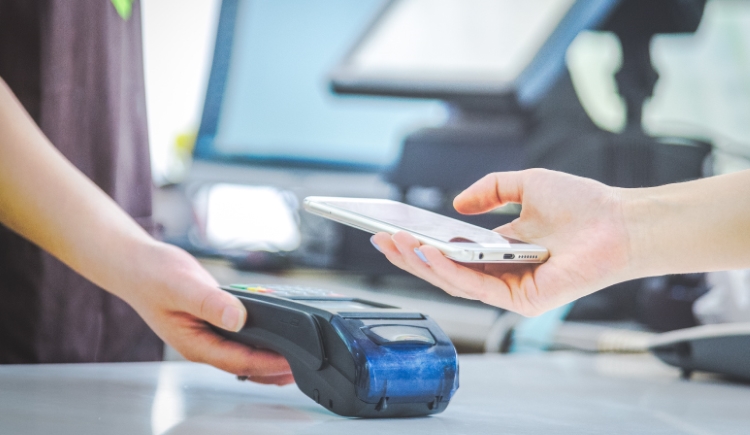
Digital payment vs traditional payment
Digital Payment Services in Malta
The market for digital payment services in Malta includes several different types of providers and infrastructure.
Businesses should distinguish between the role of a bank, payment institution, payment gateway, acquiring provider, e-money institution, and other payment technology businesses.
Depending on the solution, a provider may offer services such as:
- Merchant acquiring
- Card processing
- Online payment gateways
- Payment links
- Digital wallets
- Payment APIs
- Recurring payments
- Payout services
- Fraud prevention
- Transaction reporting
- Currency conversion
Not every provider offers every service, so businesses should assess the actual functionality they require before opening an account or integrating a payment platform.
=> Learn more: Malta Company Formation
Digital Payment and European Payments
Malta's EU membership places its businesses within the broader European regulatory and payments environment.
For companies serving customers across the European Economic Area, this can be particularly relevant when selecting payment providers and designing cross-border payment processes.
Businesses may encounter concepts and frameworks relating to:
- SEPA payments
- Strong Customer Authentication
- Payment services regulation
- Electronic money
- Card payment processing
- Data protection
- Anti-money laundering requirements
The precise requirements depend on the business, payment flow, provider, and services involved.
Companies should therefore avoid assuming that every digital payment product has the same regulatory obligations.
SEPA and Bank Transfers
SEPA, or the Single Euro Payments Area, is particularly relevant for businesses handling euro-denominated payments across participating European countries.
For eligible transactions, SEPA payment infrastructure can make euro transfers more standardized across participating markets.
Businesses may use SEPA-related payment channels for:
- Customer invoices
- Supplier payments
- Recurring payments
- Payroll-related transactions
- Business-to-business transfers
However, businesses should distinguish between different SEPA payment schemes and understand the features and requirements applicable to their specific transaction.
Online Payments for Malta E-Commerce Businesses
An e-commerce business needs to consider the entire customer payment journey rather than simply whether a card can be accepted.
A well-designed checkout can include:
- Clear product or service pricing
- Transparent shipping or additional charges
- Appropriate payment methods
- Secure payment processing
- Mobile-friendly design
- Clear payment confirmation
- Refund and cancellation information
Businesses should also consider how payment data flows between their website, payment provider, accounting system, and customer relationship tools.
Poor integration can create reconciliation problems even when the underlying payment service works correctly.
Digital Payment Compliance Considerations
Businesses should not treat payment processing purely as a technology decision.
Depending on the business model, payment activities may involve regulatory, tax, accounting, consumer protection, data protection, and anti-money laundering considerations.
A company should determine whether it is:
- Simply using a third-party payment provider
- Acting as a merchant
- Facilitating payments for other businesses
- Providing payment services itself
- Holding customer funds
- Operating a marketplace
- Processing cross-border payments
These distinctions can significantly affect the regulatory framework that applies.
A business providing payment services to third parties may face very different obligations from a retailer that simply accepts card payments from customers.
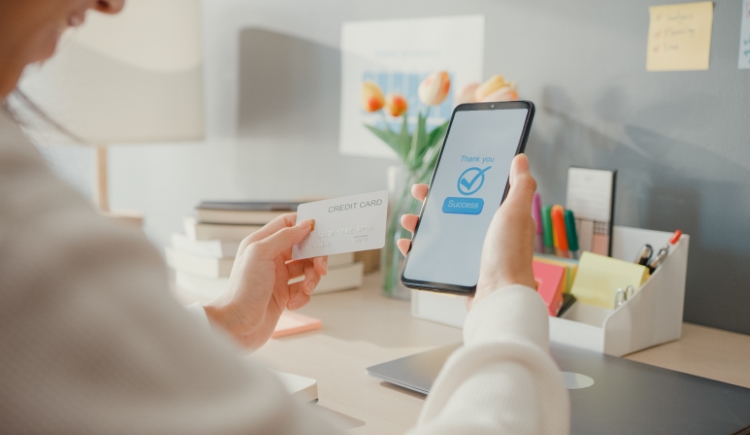
Digital payment services in Malta
Challenges of Digital Payment in Malta
Although digital payments provide significant convenience, businesses may also face challenges.
Payment Fraud
Fraudulent transactions can result in financial losses, disputes, and additional administrative work.
Chargebacks
Customers may dispute card transactions, creating potential costs and operational issues.
Technical Integration
Businesses may need technical resources to connect a payment gateway with their website, accounting software, inventory system, or mobile application.
Provider Restrictions
Some providers restrict certain industries, products, transaction types, countries, or business models.
Companies should confirm eligibility before investing heavily in an integration.
Cross-Border Complexity
International businesses can encounter different currencies, payment preferences, settlement arrangements, and regulatory requirements.
How to Set Up Digital Payment for a Malta Business
A practical setup process can include the following steps.
1. Define Your Payment Requirements
Determine whether you need:
- In-store payments
- Online payments
- Mobile payments
- Recurring billing
- Payment links
- International payments
- Multiple currencies
2. Choose the Appropriate Provider
Compare payment providers based on pricing, supported methods, currencies, security, settlement, integration, and business eligibility.
3. Prepare Business Documentation
Depending on the provider, you may need corporate and compliance information such as:
- Company registration details
- Ownership information
- Director information
- Business activity description
- Website information
- Bank account details
- Identity documents
4. Complete Verification
Payment providers commonly conduct business and customer due diligence before activating merchant services.
5. Integrate the Payment Solution
For online businesses, this may involve an API, hosted checkout, payment plugin, payment link, or e-commerce integration.
6. Test the Payment Flow
Before going live, test successful payments, failed payments, refunds, confirmations, and other relevant scenarios.
7. Monitor Transactions
After launch, monitor settlement, disputes, chargebacks, fraud alerts, and reconciliation.
Choosing the Right Digital Payment Solution in Malta
The best solution depends on the company's individual requirements rather than a single universal provider.
A small local retailer may need a straightforward contactless terminal, while an international e-commerce company may require a multi-currency payment gateway with recurring billing and advanced fraud controls.
Before choosing a solution, consider:
- Business location
- Customer location
- Transaction volume
- Average transaction value
- Payment methods required
- Currencies
- Settlement requirements
- Integration needs
- Industry restrictions
- Compliance obligations
- Total cost
A solution that works well for one business may not be appropriate for another.
Disclaimer
This article is for general informational purposes only and does not constitute legal, tax, financial, or regulatory advice. Businesses should consult qualified professionals before selecting or implementing payment services in Malta.




Subscirbe To Our Updates
About Us
We are always proud of being an experienced Financial and Corporate Services provider in the international market. We provide the best and most competitive value to you as valued customers to transform your goals into a solution with a clear action plan. Our Solution, Your Success.
Learn more