
Economy of Belize: Key Facts, Economic System, and Growth Opportunities
The economy of Belize is one of the smallest but most internationally connected economies in Central America. Despite its modest population and geographic size, Belize has built a diversified economic structure based on tourism, agriculture, and service industries. Over the past two decades, the country has increasingly integrated into global markets, attracting international investors, entrepreneurs, and multinational businesses seeking opportunities in emerging Caribbean economies.
According to the World Bank, Belize’s GDP reached approximately USD 3.1 billion in 2023, with services accounting for more than 60% of total economic output. Tourism remains the primary driver of foreign exchange earnings, while agriculture and export industries continue to support employment and rural development.
This article explores the structure of the Belize economy, its key industries, investment opportunities, and the future outlook for investors and international businesses.
Belize Economic System: Structure and Key Characteristics
Overview of the Belize Economic System
The Belize economic system operates as a mixed market economy where private sector activity plays a dominant role while the government maintains regulatory oversight. The country’s economic structure has gradually shifted from an agriculture-based model toward a service-driven economy, particularly due to the rapid expansion of tourism and financial services.
According to the Central Bank of Belize Annual Report (2024), the Belizean economy is predominantly service-driven, with the services sector accounting for approximately 64% of GDP, followed by industry at about 20%, and agriculture contributing roughly 16%.
Several factors shape the structure of the economy of Belize:
- English is the official language, facilitating international business operations.
- The legal system is based on British common law, providing a familiar regulatory environment for foreign investors.
- Belize maintains close economic relationships with the United States and Caribbean nations.
- The country participates in regional economic organizations such as CARICOM and SICA.
Belize has also developed a specialized framework for international business services, including the International Business Companies (IBC) Act, which has historically supported offshore corporate structures.
These characteristics have helped position Belize as an attractive jurisdiction for international trade and global corporate structuring.
=> Learn more: Belize Company Formation

Overview of the Belize Economic System
Currency and Monetary Framework
The monetary system plays a critical role in maintaining stability within the economy of Belize. The national currency is the Belize Dollar (BZD), which has been pegged to the US Dollar at a fixed rate of 2 BZD = 1 USD since 1978.
According to the Central Bank of Belize, this currency peg provides several benefits:
- Reduced exchange rate volatility
- Increased investor confidence
- Stability in international transactions
Because many international business transactions are conducted in US dollars, this stable exchange rate framework supports international trade and financial operations.
The Central Bank of Belize is responsible for managing monetary policy, regulating financial institutions, and maintaining the stability of the financial system.
Inflation in Belize has generally remained moderate. According to IMF data, inflation averaged approximately 4–5% in 2023, influenced primarily by global food and energy prices.
Stable monetary policies continue to support sustainable economic growth in Belize, particularly in sectors linked to tourism and international services.
Role of International Trade
International trade plays a central role in Belize’s economy and supports several key industries.
Belize exports a range of agricultural and natural resource products, including:
- Sugar
- Bananas
- Citrus products
- Marine products
- Crude petroleum
According to Belize’s Statistical Institute (SIB), the United States remains the country’s largest trading partner, followed by the European Union and CARICOM member states.
Belize also benefits from preferential trade agreements such as:
- CARICOM Single Market and Economy (CSME)
- Economic Partnership Agreement with the European Union
These agreements allow Belizean exporters to access international markets with reduced tariffs and trade barriers.
At the same time, Belize imports manufactured goods, machinery, fuel, and consumer products required for domestic consumption and industrial development.
Because of its open trade structure, the economy of Belize remains highly integrated with global supply chains and international market demand.
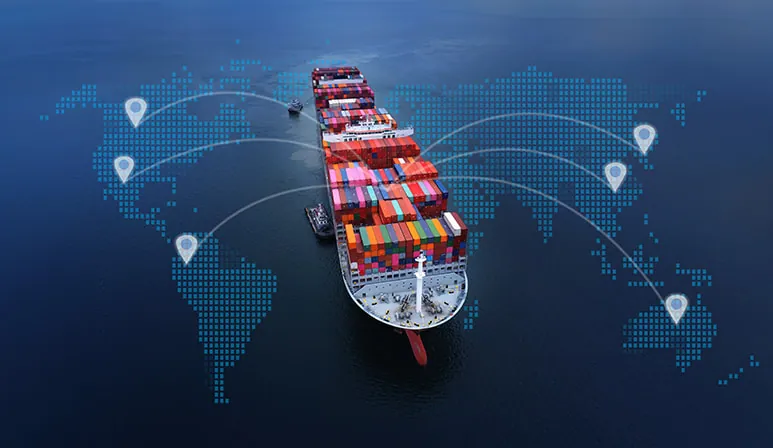
International trade plays a central role in Belize's economy
Major Belize Economic Activities Driving the Economy
Tourism Industry
Tourism is the most important contributor to the economy of Belize and the country’s primary source of foreign exchange earnings.
According to the United Nations World Tourism Organization (UNWTO) and the Belize Tourism Board, Belize welcomed approximately 1.5 million international visitors in 2023, including cruise passengers.
Key tourism attractions include:
- The Belize Barrier Reef, the second-largest barrier reef in the world
- UNESCO World Heritage marine ecosystems
- Mayan archaeological sites such as Caracol and Xunantunich
- Tropical rainforests and wildlife reserves
Tourism contributes significantly to employment in hospitality, transportation, retail, and tour services.
The World Travel & Tourism Council (WTTC) estimates that tourism directly and indirectly contributes over 40% of Belize’s GDP when including related sectors.
As international travel continues to recover and expand, tourism will likely remain the most powerful engine of economic growth in Belize.
Agriculture Sector
Agriculture remains one of the traditional pillars of the economy of Belize, particularly in rural regions.
Major agricultural exports include:
- Sugarcane
- Bananas
- Citrus fruits
- Marine products
According to the Food and Agriculture Organization (FAO), agriculture employs approximately 15–20% of Belize’s workforce.
Sugar production remains a major export industry, particularly in northern Belize. Meanwhile, banana production has expanded in the southern regions.
Agriculture also supports related industries such as:
- Food processing
- Export logistics
- Agricultural technology services
Although the sector faces challenges from climate change and global commodity prices, it continues to play an essential role in Belize’s economic stability.
Services and Financial Sector
The service sector represents the largest share of the Belize economic system.
Key service industries include:
- Tourism and hospitality
- Banking and financial services
- International corporate services
- Legal and consulting services
Belize historically offered International Business Company (IBC) structures widely used for international operations. In recent years, regulatory updates have aligned Belize’s corporate framework with international transparency standards while still maintaining an efficient environment for international business and corporate structuring.
Companies registered under Belize’s international corporate framework are commonly used for:
- International trading companies
- Holding companies
- Investment vehicles
- Asset protection structures
These services contribute significantly to the diversification of Belize’s economic activities beyond traditional sectors.
Emerging Industries
Several emerging industries are contributing to the future development of the economy of Belize.
Key sectors gaining momentum include:
- Renewable energy
- Aquaculture
- Sustainable tourism
- Digital services
Belize has significant potential in renewable energy due to its access to hydroelectric and solar resources.
Aquaculture, particularly shrimp farming, has also become a major export industry. According to the Belize Fisheries Department, aquaculture exports generate millions of dollars annually.
These emerging sectors will likely play an increasing role in driving future economic growth in Belize.
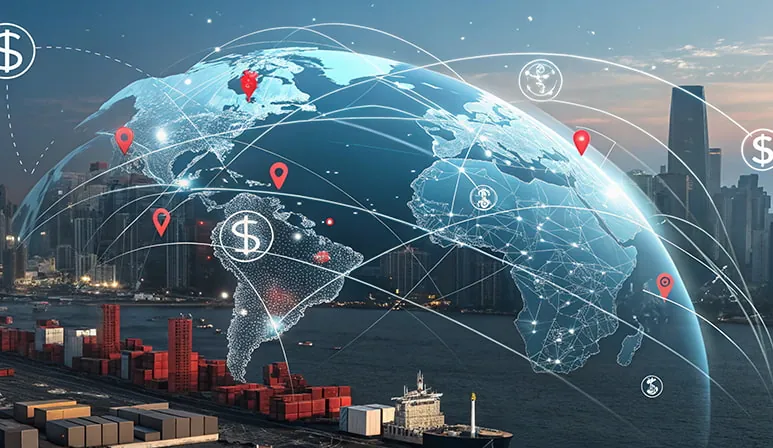
Belize's main economic activities drive its economy
Economic Growth in Belize: Trends and Development
Recent economic data shows steady recovery and growth following the global pandemic.
According to the World Bank (2024 report):
- Belize’s GDP grew by approximately 4.7% in 2023
- Tourism arrivals increased significantly after travel restrictions were lifted
- Service industries rebounded strongly
Government development strategies focus on improving infrastructure, strengthening tourism competitiveness, and supporting agricultural modernization.
Long-term economic plans also include expanding renewable energy production and improving digital infrastructure.
These reforms aim to ensure sustainable economic growth in Belize over the next decade.
Key Belize Economy Facts Investors Should Know
Understanding essential Belize economy facts helps investors evaluate potential opportunities.
Important data points include:
- Population: approximately 420,000 (World Bank)
- GDP: around USD 3.1 billion (2023)
- GDP per capita: roughly USD 7,300
- Main industries: tourism, agriculture, services
- Official language: English
Belize’s strategic location between North and South America makes it a potential logistics hub for regional trade.
The country’s stable currency peg and internationally oriented legal framework also make it attractive for global entrepreneurs.
Top 3 Investment Opportunities in the Belize Economy
1. Offshore Company Formation
Belize has historically been a recognized jurisdiction for international corporate structures.
Many international investors establish companies in Belize for purposes such as:
- Global trading businesses
- Investment holding structures
- Asset protection strategies
Professional corporate service providers such as Offshore Company Corp assist entrepreneurs with:
- Belize offshore company formation
- Offshore corporate structuring
- Compliance and corporate administration
- International banking support
These services help businesses operate efficiently in international markets.
2. Tourism and Hospitality Investments
Tourism continues to offer major investment opportunities in the economy of Belize.
Growing visitor demand creates opportunities for:
- Resort development
- Eco-tourism projects
- Luxury hotels
- Marina and cruise infrastructure
Coastal regions and island destinations remain particularly attractive for hospitality investments.
3. Agriculture and Export Industries
Agricultural exports continue to provide investment potential, particularly in:
- Organic agriculture
- Sustainable farming
- Aquaculture
- Food processing industries
As global demand for sustainable food products increases, Belize’s agricultural sector could expand significantly.

Investment opportunities in the Belize economy you should know about
Challenges and Future Outlook of the Belize Economy
Despite strong growth potential, Belize’s economy continues to face several structural challenges.
These include:
- Dependence on tourism revenues
- Exposure to hurricanes and climate change
- Infrastructure limitations
- Instability of world commodity prices
At the same time, government reforms and foreign investment initiatives continue to support sustainable economic development.
Upcoming goals will be focusing on:
- Broadening the economy
- Development of renewable energy resources
- Getting the most out of modern infrastructure
- Taking advantage of digital technologies
These initiatives are expected to strengthen the long-term resilience and sustainability of Belize’s economic system.
Conclusion
The economy of Belize offers a unique blend of tourism-driven services, agricultural exports, and international business opportunities. With its stable currency, English-speaking workforce, and open trade policies, Belize continues to attract global investors seeking access to Caribbean and Central American markets.
By expanding emerging industries and strengthening existing sectors, Belize is expected to sustain long-term economic growth.
Foreign entrepreneurs seeking to explore business opportunities in Belize may consider working with experienced corporate service providers such as Offshore Company Corp, which offers company formation, international corporate structuring, and ongoing compliance support.
Disclaimer
This article is intended for informational purposes only and does not constitute legal, financial, or investment advice.
Economic statistics and data referenced in this article are based on publicly available information from organizations such as the World Bank, IMF, Central Bank of Belize, UNWTO, and the Statistical Institute of Belize.


Subscirbe To Our Updates
About Us
We are always proud of being an experienced Financial and Corporate Services provider in the international market. We provide the best and most competitive value to you as valued customers to transform your goals into a solution with a clear action plan. Our Solution, Your Success.
Learn more