
Virtual Office Address: What It Is, Benefits, and How It Compares With a Physical Office
A virtual office address gives businesses access to a professional business address without requiring them to lease a traditional physical office. It can be used to receive business correspondence, present a professional location to clients, and support remote or flexible working arrangements.
Understanding what is a virtual office address, how it works, and the virtual address benefits can help business owners determine whether this solution fits their operational needs.
This guide explains the key features of a virtual office address, its benefits, limitations, and the differences between a virtual office vs physical office.
What Is a Virtual Office Address?
A virtual office address is a professional business address provided through a virtual office service without requiring the business to maintain a dedicated office space at that location.
Instead of renting a private office, a company uses the address as part of a broader business support arrangement. Depending on the provider and package, services may include:
- Business mail and correspondence reception
- Mail forwarding
- Document handling
- Call answering or telephone services
- Meeting room access
- Coworking or workspace access
- Administrative support
- Business address use for permitted business purposes
The exact services vary by provider and jurisdiction.
A virtual office address should therefore not be understood simply as a mailing address. It can form part of a wider business infrastructure designed to support companies that do not need permanent office space.
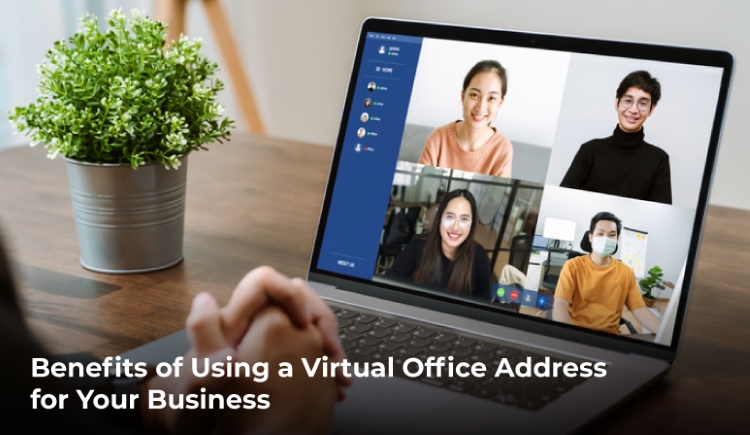
Benefits of Using a Virtual Office Address for Your Business
How Does a Virtual Office Address Work?
The process is generally straightforward.
1. Choose a Location
The business selects a virtual office address in a location relevant to its commercial activities.
For example, an international business entering a major financial center may want an address in a recognized business district to establish a local presence.
2. Select a Service Package
The business chooses the services it requires. A basic package may provide address and mail handling, while a more comprehensive package can include telephone answering, meeting rooms, or workspace access.
3. Use the Address for Appropriate Business Purposes
Once the service is activated, the business can use the address for permitted activities under the provider's terms and applicable local regulations.
Depending on the jurisdiction, the address may potentially be used for business correspondence, marketing materials, websites, invoices, or company registration purposes.
However, not every virtual address can automatically be used as a registered office, business registration address, or tax address. Businesses should verify the specific requirements before relying on an address for regulatory purposes.
4. Receive and Manage Correspondence
Incoming business mail is received at the virtual office location. The provider may notify the company, scan documents, forward mail, or hold correspondence for collection, depending on the selected package.
Key Virtual Address Benefits
One of the main reasons businesses choose virtual office services is that they can establish a professional presence without the financial commitment associated with conventional office leasing.
Lower Office Costs
Renting a traditional office can involve significant expenses beyond monthly rent, including:
- Security deposits
- Utilities
- Furniture
- Internet services
- Maintenance
- Cleaning
- Office equipment
- Insurance
- Long-term lease commitments
A virtual office can reduce many of these costs because the business pays for specific services rather than dedicated premises.
This can be particularly useful for startups and small businesses that want to allocate capital toward hiring, product development, marketing, or expansion.
Professional Business Presence
A business address in a recognized commercial district can provide a more formal business presence than using a personal residential address.
For consultants, remote companies, and international entrepreneurs, this can be useful when communicating with customers, suppliers, investors, and other business partners.
The address may appear on appropriate business materials such as:
- Website contact pages
- Business cards
- Invoices
- Correspondence
- Marketing materials
The business should always use the address consistently and in accordance with local requirements and the provider's terms.
Privacy for Business Owners
Using a virtual office address can help separate a business owner's personal residential address from the company's public-facing business information.
This can be particularly relevant for entrepreneurs who work from home but do not want their home address used for routine business correspondence.
Flexible Working
A virtual office supports businesses that do not require employees to be physically present in one location every day.
Business owners and teams can work from home, coworking spaces, client sites, or while traveling while maintaining a consistent business address.
This flexibility can be valuable for companies with distributed teams and international operations.
Support for International Expansion
A company exploring a new market may not immediately need a full-time office.
A virtual office can provide a local business presence while the company evaluates market demand, develops customer relationships, and determines whether a permanent location is necessary.
This can make virtual office services useful during early-stage international expansion.
Mail Management
Professional mail handling can reduce the risk of important business correspondence being missed.
Depending on the provider, incoming mail may be:
- Received on behalf of the business
- Logged
- Scanned
- Forwarded
- Held for collection
- Redirected according to instructions
The available options depend on the service package.

Differences Between a Virtual Office and a Physical Office
Virtual Office Address for Company Registration
A common reason entrepreneurs search for a virtual office address is to use it for company formation or business registration.
However, businesses should distinguish between several types of addresses:
- Registered office
- Business address
- Trading address
- Correspondence address
- Mailing address
- Tax or government correspondence address
These terms are not always interchangeable.
Whether a virtual office can be used as a registered office depends on the jurisdiction, the company's legal structure, and the requirements of the relevant authority.
Before incorporating a company, entrepreneurs should confirm that the selected provider offers an address that satisfies the specific statutory requirements.
Using an unsuitable address can create compliance problems later, particularly when official notices or regulatory correspondence must be delivered to a valid registered location.
Virtual Office vs Physical Office
The main difference between a virtual office and a physical office is the level of dedicated physical infrastructure available to the business.
Neither model is universally suitable for every business.
A virtual office focuses on business presence and flexibility, while a physical office provides dedicated workspace and permanent facilities.
When Should You Choose a Virtual Office?
A virtual office can be suitable when a company does not need employees to work from a permanent office every day.
It may be particularly useful for:
Startups
Startups can establish a professional business presence without committing significant capital to office premises.
Freelancers and Consultants
Independent professionals can maintain a business address while working primarily from home or at client locations.
Remote Companies
Businesses with distributed teams can maintain a central business address without requiring employees to share the same physical workplace.
International Entrepreneurs
Foreign entrepreneurs establishing a business in another jurisdiction may use a virtual office while managing operations from abroad, provided the arrangement meets local requirements.
Businesses Entering a New Market
Companies can establish an address in a target market while testing demand before deciding whether to rent permanent premises.

Setting Up Your Virtual Office Address
Can You Work From a Virtual Office?
A virtual office generally does not mean that the company has no physical working options.
Many providers offer access to meeting rooms, coworking spaces, or private offices on an occasional or flexible basis.
This creates a hybrid model:
Virtual address + remote work + occasional physical workspace
For businesses that need professional facilities only a few times each month, this arrangement can be more practical than leasing a permanent office.
Before choosing a package, check whether workspace access is included or charged separately.
How Much Does a Virtual Office Address Cost?
The cost of a virtual office varies significantly according to the city, address, provider, and services included.
Pricing may depend on:
- Location
- Business address type
- Mail handling
- Mail forwarding frequency
- Telephone services
- Call answering
- Meeting room access
- Coworking access
- Private office availability
- Contract duration
A basic address-only package will generally cost less than a comprehensive package with administrative and workspace services.
Instead of choosing the cheapest virtual office automatically, businesses should calculate the total cost based on the services they actually need.
For example, a low-cost package may become more expensive if frequent mail forwarding, document scanning, or meeting room access is charged separately.
Virtual Office Address and Business Banking
Some entrepreneurs consider using a virtual office address when applying for a business bank account.
A professional business address can be useful as part of a company's corporate profile, but it does not guarantee bank account approval.
Banks and financial institutions may evaluate additional factors such as:
- Company ownership
- Business activities
- Source of funds
- Expected transaction volume
- Directors and shareholders
- Customer and supplier locations
- Tax residency
- Supporting corporate documents
- KYC and AML requirements
Businesses should provide accurate information and disclose their actual operating arrangements when completing banking applications.
Virtual Office Address and Tax Considerations
A virtual address does not automatically determine a company's tax residence or eliminate tax obligations.
Tax treatment can depend on factors such as:
- Where the company is incorporated
- Where management decisions are made
- Where business activities occur
- Source of income
- Permanent establishment rules
- Local tax legislation
- Applicable tax treaties
For this reason, entrepreneurs should avoid assuming that obtaining a virtual office address creates a particular tax outcome.
A virtual office is primarily a business administration and presence solution; tax residence and tax liability are separate legal and tax questions.
Professional Support for Business Address Solutions
A virtual office can be a practical component of a company's international business structure, particularly when combined with company formation, registered office, accounting, banking, and other corporate services.
For entrepreneurs establishing or expanding a business internationally, Offshore Company Corp provides corporate and business support services that can help coordinate different aspects of an international company's setup and ongoing administration.
Disclaimer
This article is for general informational purposes only and does not constitute legal, tax, or financial advice. Readers should consult qualified professionals before making business or compliance decisions.




Subscirbe To Our Updates
About Us
We are always proud of being an experienced Financial and Corporate Services provider in the international market. We provide the best and most competitive value to you as valued customers to transform your goals into a solution with a clear action plan. Our Solution, Your Success.
Learn more