 Customer Services: +3705 2140765
 - Notifications


We will only notify the newest and revelant news to you.
The Malta holding company has become one of the most strategic tools for international investors seeking tax-efficient corporate structures within the European Union. Known for its transparent legislation, strong regulatory framework, and competitive tax system within the EU, Malta offers a blend of flexibility and compliance suitable for international structuring.
Malta is best described as an EU-compliant low-tax jurisdiction, offering legally reduced effective tax rates with proper economic substance. As a full EU member, it operates within European regulatory and transparency standards, clearly distinguishing it from traditional offshore tax havens such as the BVI, Seychelles, Cayman Islands, or Belize.
In this comprehensive guide, we explore why a Malta holding company is such an attractive vehicle for cross-border investment, including its taxation framework, corporate structure, and the practical steps to incorporate and manage one effectively. Whether you’re an international entrepreneur or a corporate group looking to optimize global ownership structures, understanding the benefits of a Maltese holding company is essential.
A Malta holding company structure is designed to manage investments, control subsidiary operations, and distribute dividends efficiently. The structure is flexible, provided the company maintains adequate substance in Malta, in line with EU and OECD anti-avoidance standards.
Most holding companies in Malta are incorporated as:
There are no restrictions on foreign ownership, and the minimum share capital for a private limited company is €1,165, with 20% paid up upon incorporation. Shares can be held by individuals or corporate entities.

The Malta Holding Company Structure Explained
The company must have:
Board meetings may be held in Malta or abroad; however, conducting management and control in Malta is strongly recommended to secure Maltese tax residency.
While primarily set up to hold shares or assets, a Malta holding company may also engage in related functions such as:
This flexibility allows Maltese holding companies to act as investment hubs, treasury centers, or group management entities.
The cornerstone of Malta’s success as a holding jurisdiction lies in its unique tax system. While Malta operates a nominal corporate tax rate of 35%, its refund mechanism significantly lowers the effective tax rate, making it one of the most attractive systems in the EU.
Malta applies a full imputation system, meaning tax paid by the company is credited to the shareholder when dividends are distributed. This prevents double taxation — both at the corporate and shareholder level.
Foreign shareholders benefit from a tax refund on dividends received from a Maltese company. Depending on the source of income, refunds can be:
This makes the Malta holding company taxation system one of the most competitive in Europe.

Malta Holding Company Taxation Overview
One of the most powerful features for holding companies in Malta is the Participation Exemption Regime.
A participation exemption applies when the subsidiary qualifies as a ‘participating holding’, which can be met through various criteria such as holding at least 10% of equity or maintaining a minimum investment of €1.164 million for over 183 days.
This means profits and dividends from qualifying subsidiaries can flow tax-free through Malta, making it ideal for international investment structuring.
Malta’s 70+ double taxation treaties provide additional layers of protection and tax efficiency, reducing withholding taxes on dividends, interest, and royalties across many jurisdictions.
Malta does not impose withholding tax on outbound dividends, interest, or royalties to non-residents, a major advantage for international investors.
Let’s look at a simplified scenario:
This structure allows multinational groups to repatriate profits efficiently while maintaining compliance with EU standards.
The Malta holding company structure offers both fiscal and strategic advantages for international investors and corporate groups.
The Malta holding company tax regime enables companies to achieve effective tax rates as low as 5% through the refund system or 0% through participation exemption.
Unlike traditional offshore jurisdictions, Malta is a fully regulated EU member, offering investors a legitimate and transparent environment recognized by international financial authorities.
Malta provides a stable legal system based on British common law traditions, ensuring strong protection for shareholders and assets.

Establishing a holding company in Malta offers a wide range of legal and fiscal benefits
Profits derived from shareholdings in foreign subsidiaries may qualify for complete tax exemption, minimizing global tax exposure.
Access to double tax treaties enhances international structuring and reduces withholding taxes, creating seamless cross-border operations.
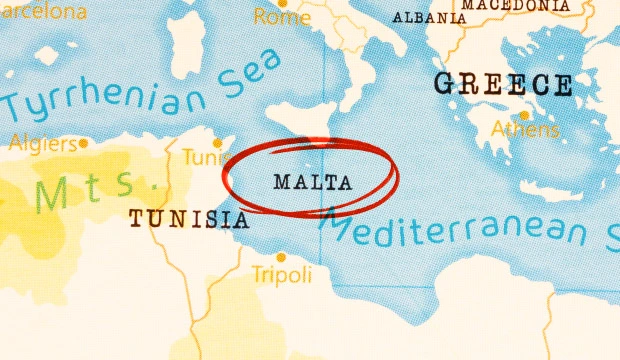
Malta’s location between Europe, Africa, and the Middle East, combined with its English-speaking workforce, supports efficient corporate management and communication.
Setting up a Malta holding company is relatively straightforward. Below is a summary of the process:
Select a unique company name and decide on the shareholding structure, whether individual or corporate shareholders.
You’ll need to prepare:
Submit the documents to the Malta Business Registry (MBR). Incorporation usually takes 2–5 working days once documents are complete.
Your holding company must register with the Commissioner for Revenue and may apply for a VAT number if applicable.
Select a bank (local or international) for managing investments and dividends. Opening a corporate bank account in Malta is possible but may take time due to strict EU-wide AML and compliance requirements.
A professional corporate service provider can manage all compliance obligations to ensure seamless operation.

Incorporating a Malta Holding Company is relatively straightforward
| Jurisdiction | Effective Tax Rate | Participation Exemption | Treaty Network | Reputation |
| Malta | 0–5% (via refund) | Yes | 70+ | High |
| Cyprus | 12.5% | Yes | 60+ | High |
| Luxembourg | 24% | Yes | 80+ | High |
| Netherlands | 25.8% | Yes | 90+ | Very High |
Malta stands out for combining EU compliance with an effective tax burden that can be significantly reduced through its refund system or participation exemption regime.
Even though Malta provides amazing tax benefits, it is essential that companies adhere to the rules. Companies should:
It takes a thorough knowledge of the local regulations, tax system, and office formalities to set up and run a Malta holding company. Therefore, collaborating with a seasoned service provider like Offshore Company Services is a wise decision.
Offshore Company Services, with its long-standing worldwide company formation experience, makes sure that your Malta holding company setup is not only in line with the law but also takes advantage of the tax benefits to the greatest extent and is easy to run.
A Malta holding company offers an exceptional balance between EU regulatory credibility and tax efficiency, making it one of the most effective vehicles for managing global investments. Its participation exemption, extensive treaty network, and shareholder-friendly Malta holding company tax system allow investors to structure cross-border operations efficiently and legally.
For entrepreneurs and corporate groups aiming to streamline global ownership, repatriate profits effectively, and maintain EU substance, Malta is a clear choice. And with the right partner like Offshore Company Services, establishing and maintaining a Malta holding company becomes a seamless, compliant, and profitable process.
=> Learn more: Malta offshore company formation
 SUBSCRIBE TO OUR UPDATES
 Latest news & insights from around the world brought to you by One IBC's experts
We are always proud of being an experienced Financial and Corporate Services provider in the international market. We provide the best and most competitive value to you as valued customers to transform your goals into a solution with a clear action plan. Our Solution, Your Success.


 One IBC TM Digital App







 Processing